A few months ago, I got the opportunity to visit Gurugram, which is popularly known as the Millennium City of India. Before visiting, I had heard many things about the city. People often talked about its tall buildings, modern offices, large shopping malls, and growing job opportunities. Because of this, I was excited to see the city with my own eyes.
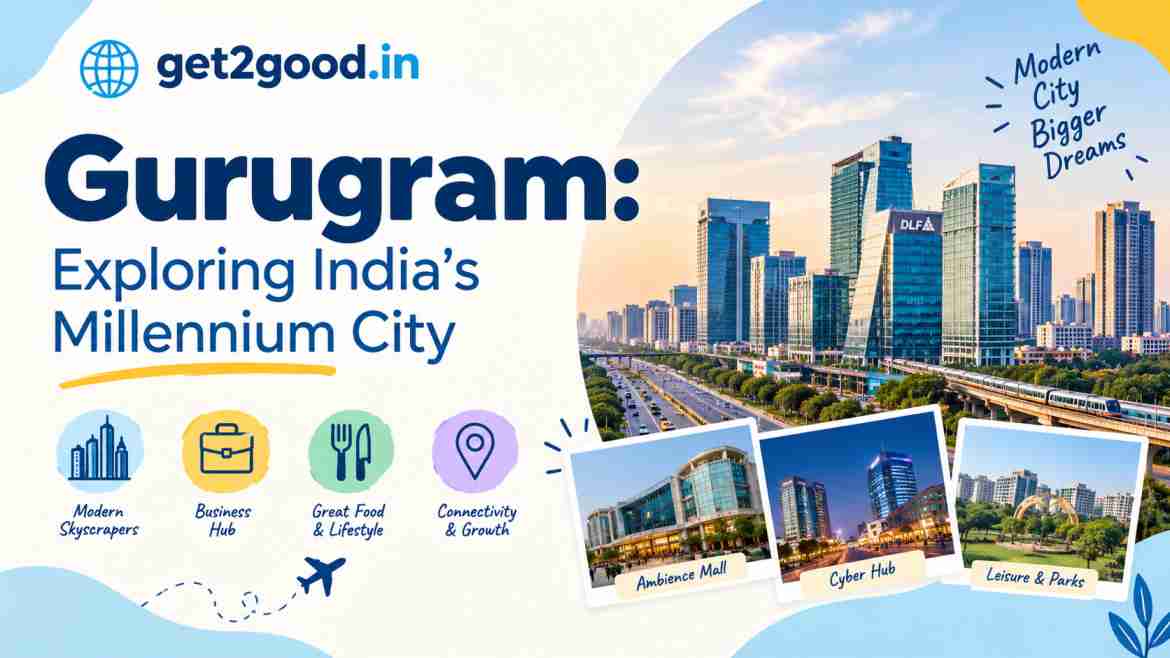
As soon as I entered Gurugram, the first thing I noticed was the skyline. Glass-covered office buildings, wide roads, and modern infrastructure were visible in many areas. Compared to many traditional cities, Gurugram felt more modern and fast-moving. Everywhere I looked, I could see people heading to offices, shopping centers, and business parks.
The city gave me the feeling of a place that is constantly growing and changing.
Why Gurugram is Called the Millennium City
Many people wonder why Gurugram is called the Millennium City. The reason is its remarkable transformation over the last few decades. What was once a relatively small town has become one of India's most important business and technology centers. Today, Gurugram is considered one of India's leading IT hubs and financial centers.
The city experienced rapid growth because of urban development, private investment, and its location near Delhi and Indira Gandhi International Airport. Large numbers of companies established offices here, which attracted professionals from all parts of India.
Because of this rapid modernization and economic growth, Gurugram earned the nickname "Millennium City."
Modern Buildings and Corporate Culture
One of the most impressive things about Gurugram is its modern architecture. The city is filled with office towers, business parks, residential complexes, and commercial centers.
While traveling through the city, I saw many large corporate buildings with glass exteriors. These buildings give Gurugram a modern international appearance. Many multinational companies, technology firms, consulting companies, and financial organizations have offices here. Gurugram has become one of North India's largest office markets and an important destination for global companies.
The working culture of the city is also very active. During office hours, roads and metro stations are filled with professionals heading to work.
Cyber City – The Heart of Modern Gurugram
Whenever people talk about Gurugram, Cyber City is usually one of the first places mentioned. Cyber City is a major corporate district that contains offices of many national and international companies. It was established in the early 2000s and has grown into one of the largest IT and business hubs in the Delhi-NCR region.
When I visited the area, I was impressed by the modern office towers and organized surroundings. The buildings looked similar to business districts that are often shown in international travel videos.
Nearby, there are restaurants, cafes, and entertainment areas where office workers and visitors spend their free time. The atmosphere remains lively throughout the day.
Shopping Malls and Entertainment
Gurugram is also famous for its shopping and entertainment options. The city has several large malls where people can shop, watch movies, eat at restaurants, and spend time with friends and family.
During my visit, I noticed that many malls were crowded, especially during weekends. People from nearby areas often visit Gurugram for shopping and entertainment because of the wide variety of options available.
Apart from malls, there are also cafes, gaming zones, parks, and recreational spaces that make the city attractive for young people and families.
Metro and Transportation Facilities
Transportation plays an important role in a city as large as Gurugram. Fortunately, the city is connected through Delhi Metro and Rapid Metro services. The Millennium City Centre metro station serves as an important connection point for commuters traveling between Delhi and Gurugram.
The Rapid Metro network helps connect important business areas such as Cyber City and other commercial districts. This makes daily commuting easier for thousands of people.
The city is also expanding its metro infrastructure. A new metro corridor connecting Millennium City Centre and Cyber City has been planned to improve connectivity across different parts of Gurugram.
Although traffic can sometimes be heavy, public transportation continues to improve as the city grows.
Historical Side of Gurugram
While Gurugram is known for its modern image, it also has historical significance. The city's name is believed to be connected with Guru Dronacharya from the Mahabharata. According to tradition, this region was associated with the famous teacher of the Pandavas and Kauravas. Because of this connection, the city was officially renamed from Gurgaon to Gurugram in 2016.
Learning about this historical background made the city even more interesting for me because it combines ancient history with modern development.
Why People Move to Gurugram
One reason behind Gurugram's rapid growth is the availability of jobs and career opportunities. People from different states move here to work in information technology, customer support, finance, consulting, marketing, and many other industries.
The city also offers good educational institutions, healthcare facilities, shopping centers, and housing options. Because of these advantages, many people choose to build their careers and lives in Gurugram.
This diversity has created a multicultural environment where people from different regions live and work together.
Challenges of a Fast-Growing City
Like many rapidly growing cities, Gurugram also faces some challenges. Traffic congestion can be a problem during peak hours. Population growth puts pressure on roads, public services, and infrastructure. Experts often describe Gurugram as an example of a city that grew very quickly and continues to work on improving public infrastructure alongside economic growth.
Air quality is another issue that receives attention, especially during winter months. Local authorities regularly introduce measures to improve environmental conditions and urban services.
Despite these challenges, the city continues to invest in transportation and development projects for the future.
My visit to Gurugram was a memorable experience. The city showed me how quickly urban areas can transform through development and economic growth. From modern skyscrapers and corporate offices to metro systems and shopping centers, Gurugram offers a glimpse into the future of urban India.
What impressed me most was the contrast between its historical roots and its modern identity. The city successfully combines business, technology, entertainment, and culture in one place.
Overall, Gurugram truly deserves its title as the Millennium City. It is a place that reflects ambition, growth, and opportunity. Whether someone visits for work, travel, or education, Gurugram offers a unique experience and remains one of the most important cities in modern India.